Our Blog
Throat Pain: Is It Strep or Tonsillitis?

Throat pain is one of those discomforts that can make even everyday tasks—like eating, talking, or swallowing—feel unbearable. While a mild sore throat might result from seasonal allergies or a cold, persistent or severe pain often leads people to wonder if it could be something more serious, such as strep throat or tonsillitis. Although the two conditions share many similarities, they differ in causes, symptoms, and treatment. Understanding the difference between them can help you seek the right care and recover more quickly.
Understanding the Difference
Tonsillitis and strep throat both involve inflammation in the throat, but they aren’t the same. Tonsillitis refers to inflammation of the tonsils—the soft tissue masses at the back of your throat that help fight infection. This condition can be caused by both viruses and bacteria. Strep throat, however, is a specific type of throat infection caused by group A Streptococcus bacteria. In fact, strep throat can actually cause tonsillitis, but not all cases of tonsillitis are due to strep bacteria.
In simple terms, tonsillitis is the broader condition, while strep throat is one particular cause of it. Viral tonsillitis usually improves on its own, whereas strep throat requires antibiotic treatment to prevent complications.
Recognizing the Symptoms
Because both illnesses affect the throat, their symptoms often overlap. However, there are some subtle clues that can help distinguish between them.
People with tonsillitis often experience red and swollen tonsils, a sore throat, pain while swallowing, fever, fatigue, and swollen glands in the neck. In some cases, you may notice a white or yellow coating or spots on the tonsils, along with bad breath and a dull headache. Since many cases of tonsillitis are caused by viruses like the flu or common cold, additional symptoms such as a cough, nasal congestion, or a runny nose may also be present.
Strep throat, on the other hand, typically appears suddenly and feels more severe. The sore throat often comes without the congestion or coughing seen in viral infections. You might notice red patches or tiny red spots on the roof of your mouth, swollen lymph nodes, fever, and white streaks of pus on the tonsils. Some people, especially children, may also experience nausea, vomiting, or stomach pain. The key difference is that strep throat is purely bacterial and tends to cause more intense pain without the usual cold-like symptoms.
What Causes These Infections
The cause of tonsillitis can vary widely. In most cases, viruses are to blame, particularly adenovirus, influenza, or Epstein-Barr virus. When bacteria are responsible, group A Streptococcus is usually the culprit—the same bacteria that causes strep throat.
Strep throat is transmitted through respiratory droplets, meaning it spreads easily from one person to another through coughing, sneezing, or sharing eating utensils. Because of this, it tends to move quickly among family members, classmates, or coworkers in close contact. Taking simple precautions, such as covering your mouth when coughing and washing your hands regularly, can reduce the risk of spreading or contracting the infection.
Diagnosis and Medical Evaluation
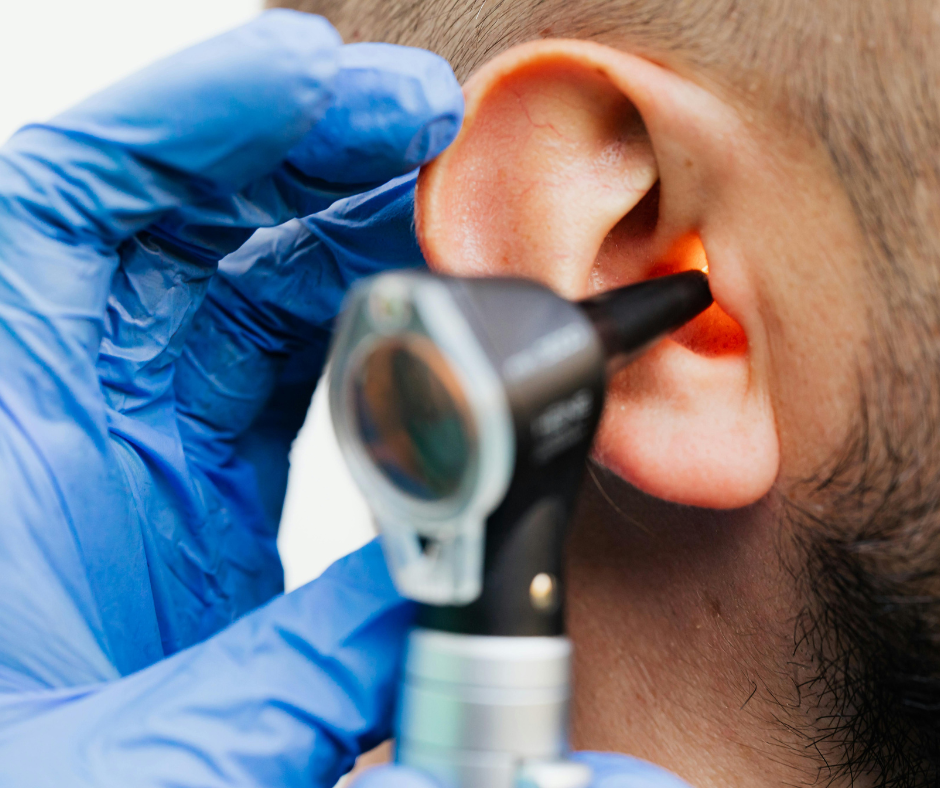
Because the symptoms can be so similar, it’s not always possible to tell the difference between strep throat and tonsillitis just by looking. That’s why a professional diagnosis is important. When you visit a healthcare provider, they will typically examine your throat to look for redness, swelling, or pus. They’ll also check for fever and swollen lymph nodes in your neck.
To confirm strep throat, your doctor may perform a rapid strep test, which involves swabbing the back of your throat to detect the presence of group A Streptococcus bacteria. This test gives results within minutes. If the test is negative but the doctor still suspects strep, they may send a throat culture to a lab for further analysis, which can take a day or two. This step helps ensure an accurate diagnosis and appropriate treatment.
In cases of chronic or recurrent tonsillitis, additional evaluation may be needed. Sometimes, repeated bacterial infections can lead doctors to recommend a tonsillectomy—the surgical removal of the tonsils—to prevent further episodes.
Treatment Options
Treatment depends entirely on the cause of the infection. If tonsillitis is viral, antibiotics will not help. Instead, rest, hydration, and comfort measures such as warm saltwater gargles, soothing teas, and over-the-counter pain relievers can make recovery easier. Most people start to feel better within a week.
If tonsillitis or strep throat is caused by bacteria, your doctor will prescribe antibiotics—most commonly penicillin or amoxicillin. It’s essential to complete the entire course of medication, even if symptoms improve after a few days. Stopping early can allow the bacteria to survive and cause complications or recurrence.
Alongside antibiotics, supportive care can make recovery smoother. Drinking plenty of fluids, eating soft foods, and avoiding irritants like cigarette smoke can soothe your throat. Warm broths and honey-infused teas can also bring relief. Replacing your toothbrush a couple of days after starting antibiotics helps prevent reinfection.
When to Seek Medical Care
Mild throat irritation may resolve on its own, but certain signs indicate it’s time to see a doctor. If your sore throat lasts more than a couple of days, is accompanied by a high fever, or you have trouble swallowing or breathing, it’s important to get checked. White patches on the tonsils, swollen neck glands, or recurrent infections are also reasons to seek medical evaluation.
Ignoring bacterial infections like strep throat can lead to serious complications, including rheumatic fever, kidney inflammation, or abscess formation around the tonsils. Getting prompt treatment not only relieves symptoms faster but also prevents these risks.
Prevention Tips
While not all throat infections can be avoided, healthy habits can significantly reduce your risk. Practicing good hygiene—like frequent handwashing, covering your mouth and nose when sneezing or coughing, and avoiding close contact with people who are sick—can limit exposure. Maintaining a strong immune system through balanced nutrition, adequate rest, and hydration also plays a major role in keeping infections at bay.
If you’ve recently had strep throat, replace your toothbrush after 24 to 48 hours of antibiotic use. This small step helps prevent bacteria from lingering and reinfecting your throat.
If your sore throat is making life uncomfortable, don’t wait for it to worsen. At
Dr. Mike’s Walk-In Clinics, our experienced healthcare providers offer quick, accurate testing for strep and tonsillitis, along with personalized treatment plans that get you feeling better fast. There’s no need for an appointment—just walk in when it’s convenient for you. Whether you’re dealing with a mild irritation or a more painful infection, our compassionate medical team is ready to provide the care and relief you need.
Contact us today and let us help you recover your voice, comfort, and peace of mind.